Organic Chemistry Tutorials

Which side of an unsymmetrical alkene does the reagent attack and why?

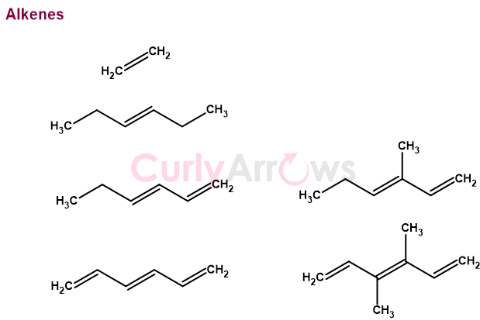
Alkenes are double bonds containing molecules. These double bonds are called pie bonds and are made up of two electrons. Due to the presence of the pie electron cloud, alkenes are electron-rich species and interact with electron-deficient species, the electrophiles. The reaction between alkenes and the electrophiles is an addition reaction.

What is Electronegativity?

Sharing resources is essential to build a harmonious world. When the resources are shared ineffectively conflicts emerges. A similar principle extends to Chemistry. 

Atoms are in a state of harmony when the neighbouring atoms shares electrons. When the sharing stops, Chemical reactions triggers.

The imbalance in sharing electrons influences the molecule’s polarity, reactivity, and physical properties. The disagreement on sharing is brought about by electronegativity. 

Metallic Bond

Pre-requisite: Nuclear charge, Valence electrons

Stovetop cooking routinely requires cast iron or aluminium pans but never a glass pan or a pan made of silicon. That’s because the glass pan will shatter at high temperatures, and the silicon pan will burn away.