R

Resonance

Resonance theory explains various observed properties in a molecule using the electron delocalization concept and multiple Lewis structures, which a single Lewis structure cannot.

A single Lewis structure can only describe some but not all of a molecule's observed properties. Resonance theory is helpful in molecules that can be expressed using several Lewis structures, like Benzene or CO2

Reduction (Chemistry)

Reduction Reaction according to the Classical Concept 

Reduction is defined as, the elimination of oxygen or any electronegative element from a substance.

Example,

CuO(s) + H2(g) → Cu(s) + H2O(l) (removal of oxygen)

2FeCl3(aq) + H2(g) → 2FeCl2(aq) + 2HCl(aq) (removal of electronegative element, chlorine)

Or

Reduction Potential

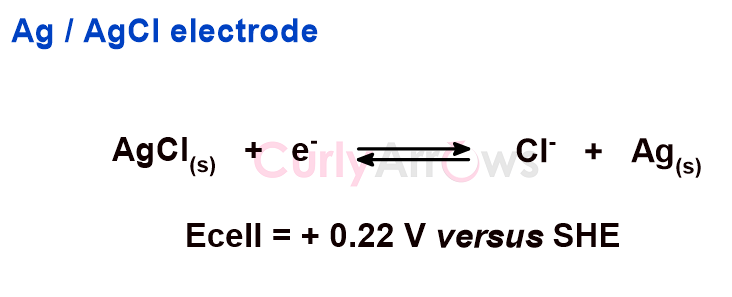
For an electrode in contact with an electrolyte solution having similar ionic nature, if the tendency of the electrode is to gain electrons and undergo reduction, the electrode is said to have a reduction potential. 

Example, Ag electrode dipped in the AgCl electrolyte solution.